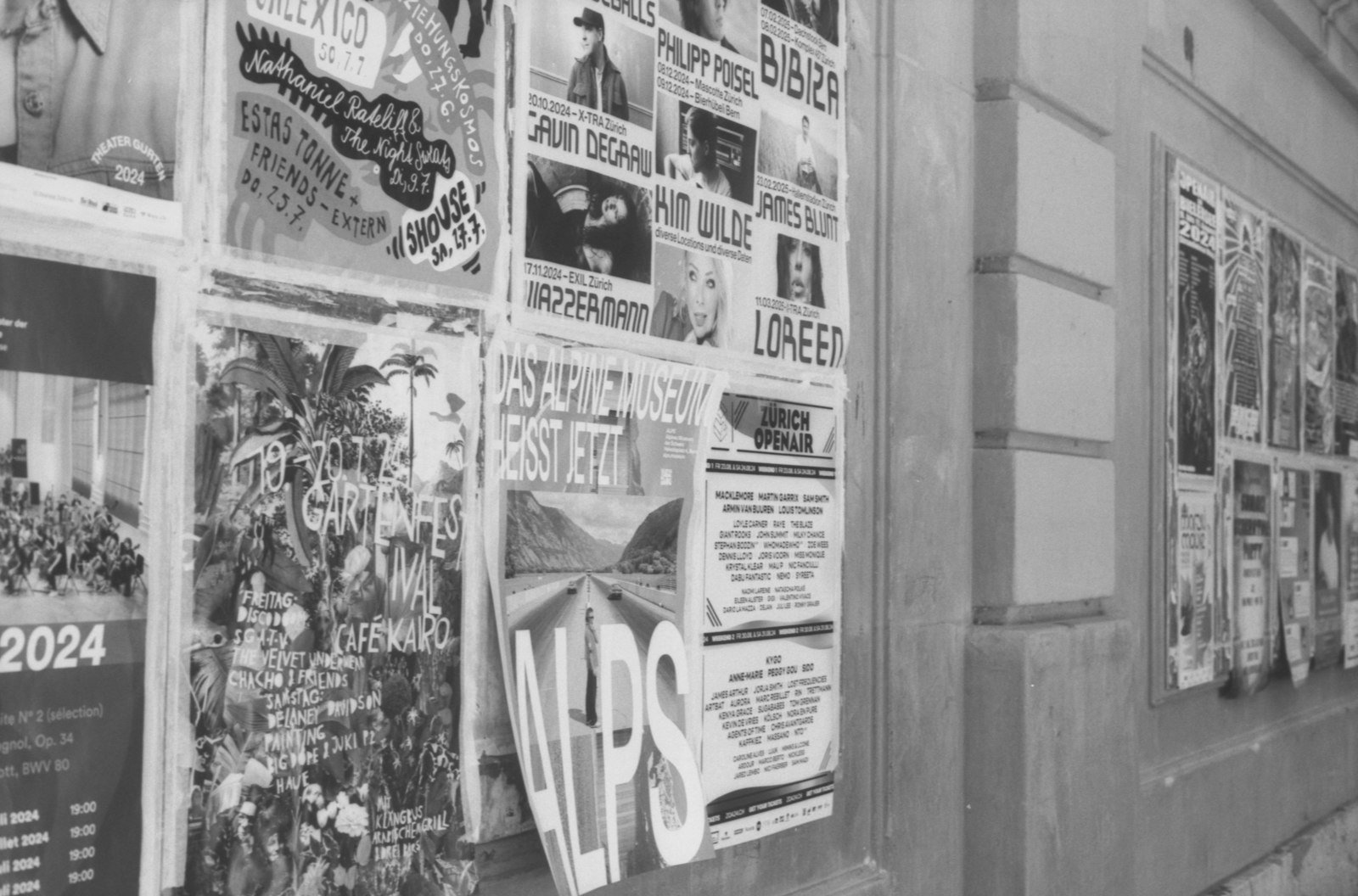
The most realistic way to make money with Ideogram is to sell finished posters and promo flyers to local businesses and event organisers, using Ideogram for the artwork and headline and a layout tool for the exact text. On 5 November 2026 Fiverr’s own hiring page put average poster jobs at $13 and flyers at $27, while a design agency’s 2026 guide puts a typical professional flyer at $50 to $200, so most beginners will start near the bottom of that range. This is steady small-ticket work, not passive income, and the money comes from understanding a shop’s offer and delivering print-ready files on time.
At a glance
The poster service in five lines
| Line | Detail |
|---|---|
| Method | Posters, flyers and matching social sizes for cafés, gyms, salons and local events |
| Startup cost | $0 to practise on the free plan (public images, so no client material); $20 a month for Plus once you take paid work |
| Your cost per unit | About 1.7 cents per standard Ideogram 4.0 image on monthly Plus, by my calculation from Ideogram’s credit figures |
| What clients pay | Fiverr averages: poster $13, flyer $27; one AI coffee-poster gig at $75; agency guide $50 to $200 per flyer |
| Income | Not guaranteed |
Before you start, read my Ideogram review for the plan prices, the no-refund rule and why free-plan images are public.
Which ways of earning with Ideogram are realistic?
Three are worth your time, and one only suits people with an audience. The poster service is the most dependable because local businesses need new promotions every month.
| Method | Who pays | Typical price evidence | Main risk |
|---|---|---|---|
| Posters and promo flyers | Cafés, gyms, salons, event organisers | Fiverr averages $13 to $27; agency guide $50 to $200 | Spelling and price errors in AI text |
| Print-on-demand and Etsy designs | Shoppers, via marketplace | Your own retail price, minus fees | Trademark copying, AI disclosure |
| Thumbnails and cover art | YouTubers, podcasters | Fiverr social design average $19 | Low prices, many competitors |
| Ideogram Creators Club affiliate | Ideogram | Commission not published | Approval at Ideogram’s discretion |
How does the poster-and-flyer service work, step by step?
You take a written brief, generate artwork on a paid plan, set the final words yourself and hand over print and social files. The steps I would follow:
- Get the brief in writing: the exact headline, prices, dates, address, logo file, sizes (A4, A3, square post, story) and whether it will be printed.
- Generate on Plus, not free: paid-plan images stay unpublished, so a client’s offer never appears in the public feed. Ideogram 4.0 handles wide and tall poster ratios; 3.0 lets you lock a colour palette to the brand.
- Pick and proof: choose the strongest image and check every letter. AI text still goes wrong, and one Trustpilot reviewer in October complained about prompts being ignored.
- Set the facts yourself: put prices, dates, phone numbers and the real logo in a layout tool such as Canva so they are exact and editable.
- Deliver: a print-ready PDF plus the social sizes, with a note that the artwork was made with AI.
Where do the first clients come from?
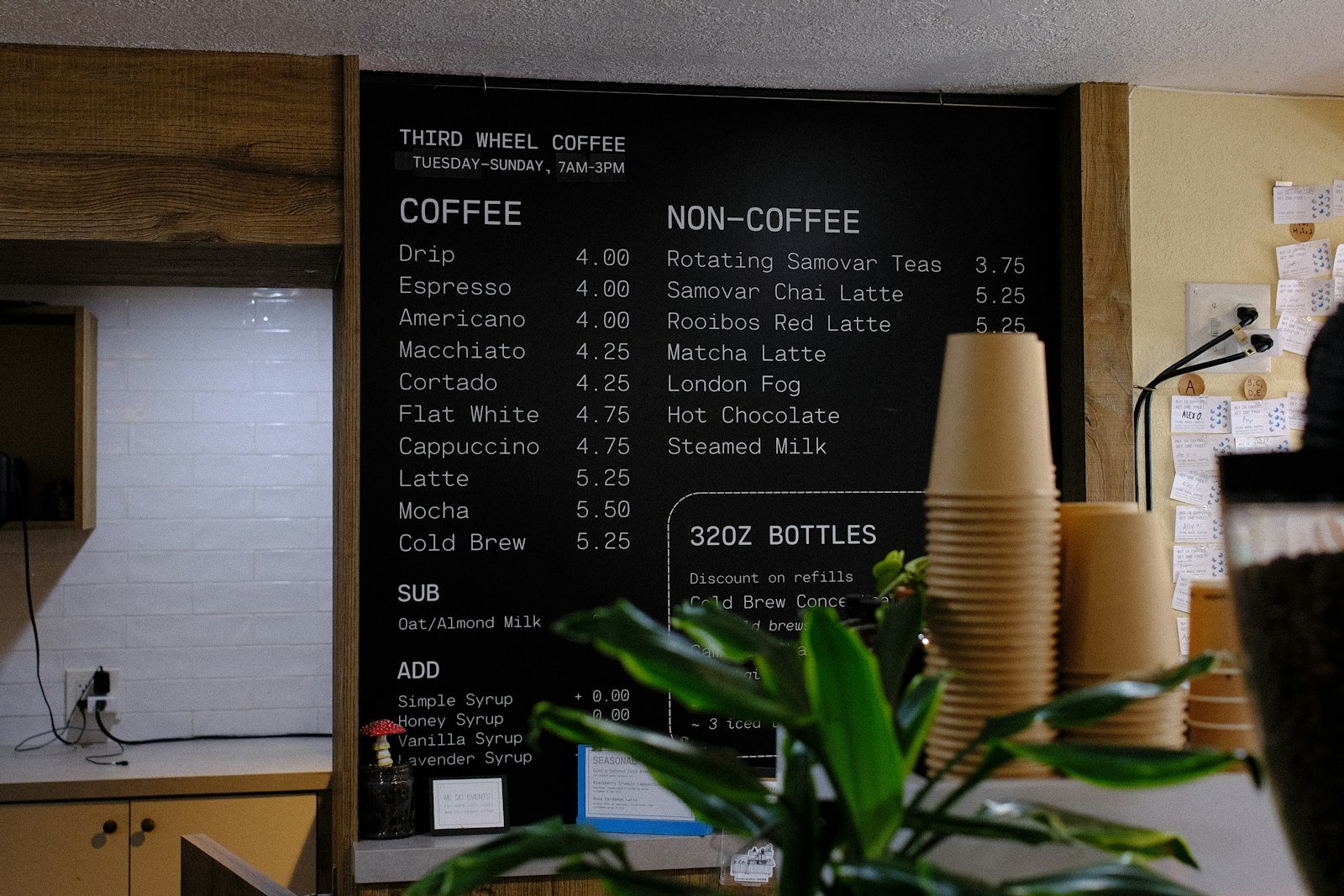
From businesses you can walk into. Cafés, barbers, gyms and venues change offers often and rarely have a designer. Make three sample posters for imaginary businesses, print one, and show it in person; a printed sheet sells better than a link. Local Facebook groups and event listings show who is promoting something next month.
Fiverr works too, but the averages there are low and the AI design gigs I checked started at $15. Price on the bundle (poster plus social sizes) rather than the single image.
A worked month in numbers
Two cafés and one event
Two cafés each buy a monthly promo pack at $180: three design sets, each one a print poster, a square post and a story. A local event organiser buys one poster at $120. That is $60 per design set, between Fiverr’s averages and the agency guide’s $50 to $100 for simple flyers.
| Item | Amount |
|---|---|
| Two promo packs (2 x $180) | $360 |
| One event poster | $120 |
| Revenue | $480 |
| Ideogram Plus, monthly | -$20 |
| Left after the tool | $460 |
| Time: 7 design sets x 2.5 hours, plus 3 hours admin | 20.5 hours |
| Per hour, before tax and other costs | $22.44 |
Credits: if each design set takes 40 generations at 2 credits, the month uses 560 credits, about 23% of Plus’s 2,400. These are my example figures, not income claims.
$22.44 an hour is modest; the Upwork hiring page puts most graphic designers at $15 to $35 an hour. The rate rises when you reuse a café’s template in month two and spend less time per set.
Can you sell Ideogram designs on Etsy or as merch?
Yes, if you follow the marketplace’s rules. Ideogram’s terms say it claims no ownership of outputs and its FAQ allows commercial use, and its Transparent models produce background-free art for stickers and t-shirts. Etsy’s creativity standards (updated 10 June 2025) accept “seller-prompted AI creations” but require you to say in the listing description that the item was made with AI, and prompt bundles don’t qualify.
Avoid band names, sports teams, film quotes and characters; the terms bar content that infringes trademark or copyright, and marketplaces remove those listings.

Other routes: thumbnails, logo concepts and the Creators Club
YouTube thumbnails and podcast covers suit Ideogram’s text strengths, but Fiverr’s average social design job is $19, so treat them as add-ons for existing clients. Logo work is riskier: under the US Copyright Office’s January 2025 report, prompts alone don’t make you the author, though human edits and arrangement can be protected. Sell logo concepts that a designer redraws, not finished trademarks.
The Ideogram Creators Club accepts active creators who teach Ideogram on YouTube, X, Instagram or TikTok, and lists rewards through an affiliate program; the commission isn’t published, and section 3 of the terms lets Ideogram withhold rewards at its discretion.
What rules and mistakes should you watch for?
- Using the free plan for clients: free images are public and other users may remix them.
- Trusting AI text: proofread every word and set prices and dates yourself.
- Fake reviews in ads: the FTC’s rule announced 14 August 2024 bans fake testimonials, including AI-written ones, with civil penalties. Never put invented quotes on a flyer.
- Promising copyright: tell clients raw AI elements may not be protectable.
- Forgetting renewals: Ideogram gives no refunds, and you must cancel five days before renewal.
Is this a fit for you?
Good fit if you like talking to shop owners, have a decent eye for layout, and can proof a price list without missing a digit.
Poor fit if you want income without client contact, expect AI to produce a finished print file in one click, or can’t commit to monthly deadlines.
Related guides: social graphics with Canva and product images with Leonardo.Ai.
Ideogram earning questions
Can you sell images made with Ideogram?
Yes. Ideogram’s terms say it claims no ownership of your outputs and its FAQ allows commercial use, but marketplace rules still apply, such as Etsy’s requirement to disclose AI use in the listing.
Do I need a paid Ideogram plan for client work?
In practice, yes. Free-plan images are public and can be remixed by other users, while Plus at $20 a month keeps new images unpublished.
How much should I charge for an AI-made flyer?
Between about $27 and $200 is the range I found. Fiverr’s hiring page puts the average flyer job at $27, while a 2026 agency guide puts a typical professional flyer at $50 to $200.
Can I copyright a design made with Ideogram?
Not the raw AI output. The US Copyright Office said in January 2025 that prompts alone don’t make you the author, though your own edits and arrangement can be protected.
Examples, not income claims: the figures above are illustrations built from public price data, and your results depend on your skills, market and effort. This is not legal advice.
Update log: 5 November 2026: first published, with prices checked that day.
Sources
- Fiverr: hire flyer designers (average prices)
- Fiverr gig: AI posters for food and beverage brands
- Fiverr gig: redesign and refine AI-generated designs
- Musemind: flyer design cost (updated 20 August 2026)
- Upwork: cost to hire graphic designers
- Ideogram help: plans and credits
- Ideogram help: share and publish
- Ideogram help: models
- Ideogram Terms of Service
- Ideogram Creators Club
- UsagePricing: Ideogram pricing history
- Etsy creativity standards
- National Law Review: USCO releases Part 2 of its AI report
- FTC: final rule banning fake reviews and testimonials (14 August 2024)
- Trustpilot: Ideogram reviews
Leave a Reply